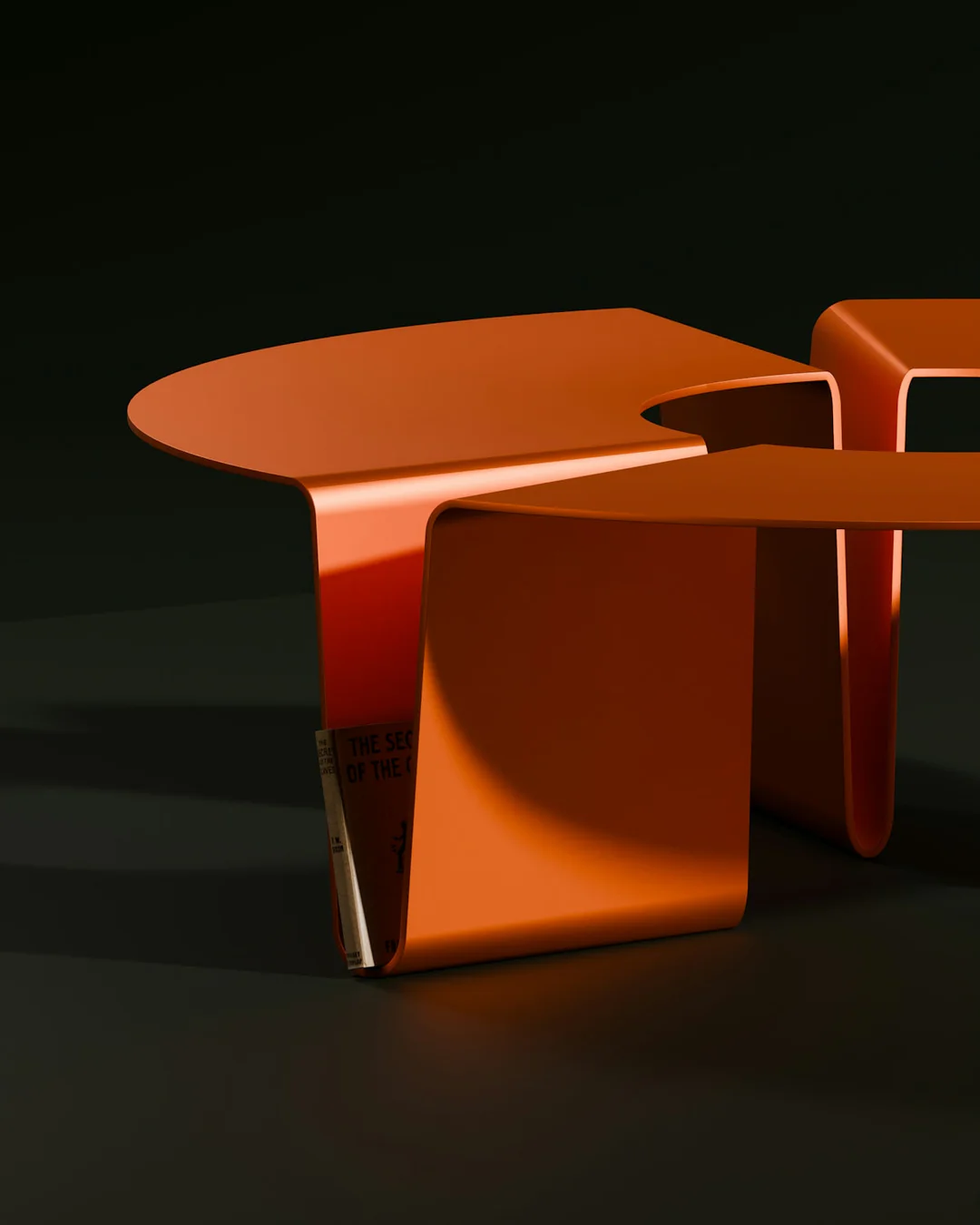
For decades, China has been the backbone of global furniture manufacturing. But today's Chinese furniture factories aren't just cheap mass-production hubs—they're hubs of innovation, technology, and precision craftsmanship.
If you're an Australian business, interior designer, or hospitality group sourcing furniture from China, understanding how these modern factories operate can help you make smarter decisions about quality, timelines, and cost.
This guide explores China's cutting-edge furniture manufacturing landscape, what makes it competitive, and how to navigate sourcing from a distance.
Why China dominates global furniture manufacturing
China's furniture industry has evolved dramatically over the past 20 years. What started as low-cost production has transformed into a sophisticated manufacturing ecosystem with:
- Advanced automation and CNC machinery
- In-house design and R&D teams
- OEM (Original Equipment Manufacturer) and ODM (Original Design Manufacturer) capabilities
- Sustainability certifications (ISO, FSC, environmental standards)
- Real-time supply chain visibility
The scale alone is staggering. China produces roughly 30% of the world's furniture. But it's not just volume—it's capability.
The economics still matter
A custom dining chair that costs $400 locally might cost $150–$200 from a quality Chinese factory (fully shipped and landed in Australia). That's not just lower labour costs—it's economies of scale, efficient supply chains, and volume purchasing power on materials.
For Australian hospitality groups, retail chains, and corporate outfitters, this cost advantage is meaningful when you're ordering 100+ pieces.
What modern Chinese furniture factories actually do
OEM manufacturing (your design, their execution)
You provide detailed specifications, 2D or 3D designs, material samples, and technical drawings. The factory manufactures your exact design to your specifications. This is common for:
- Hospitality furniture (restaurants, hotels)
- Corporate office fit-outs
- Custom bespoke pieces for Australian interior designers
ODM manufacturing (they design, you manufacture)
The factory designs a piece based on your brief and aesthetic direction. You then choose to either:
- Order their design as-is
- Request modifications before production
- License the design for your brand
This is faster and cheaper if you don't have detailed designs yet.
Customisation at scale
Modern Chinese factories can customise:
- Dimensions (to fit your exact floor plans)
- Materials (timber species, leather grades, fabric types)
- Colours and finishes
- Structural options (removable legs, modular components, stackability)
- Compliance specs (fire-rated fabrics, Australian safety standards)
Quality control infrastructure
Reputable factories now have:
- In-house testing labs
- Third-party QC inspections
- Photo/video documentation before shipment
- Traceability systems for materials and production batches
- International certifications (ISO 9001, CE, FSC for timber)
The technology driving modern production
Computer-aided design and 3D visualisation
Before anything is built, you see a 3D rendering of your design. Changes are fast—edit, render, approve. No more surprises when the first sample arrives.
CNC machinery and precision cutting
Automated woodworking machinery cuts components to tolerances within 1mm. This consistency is impossible with purely manual production.
Digital inventory and material tracking
Factories track raw materials, components, and work-in-progress in real time. You can ask "where's my shipment?" and get a genuine answer based on production data, not guesswork.
Sustainability and waste reduction
Modern facilities recover sawdust for particleboard, use water-based finishes, and recycle scrap metal. Some are pursuing carbon-neutral certification.
How to identify a quality vs. mediocre Chinese factory
Red flags (quality concerns)
- No design/3D visualisation capability
- Won't provide sample before mass production
- Vague about material sourcing ("good leather" instead of specifications)
- No third-party QC or inspection process
- Can't show references from Australian clients
- Won't commit to timelines in writing
- Pressure to place orders without samples
Green flags (quality indicators)
- Provides 3D renderings and design iterations
- Offers sample production (usually 2–4 weeks)
- Clear material certifications and sourcing
- Third-party QC or video inspection standard practice
- References from Australian hospitality or retail companies
- Written production timeline and quality agreement
- In-house design team available for consultation
- Proper export packing standards (foam, wooden crates, cartons)
Sourcing timeline: China to Australia
Understanding the full timeline prevents costly delays:
| Stage | Duration | Notes |
|---|---|---|
| Design & quotation | 1–2 weeks | Factory designs or refines your concepts |
| Sample production | 2–3 weeks | You approve samples before mass production |
| Material confirmation | 1 week | Lock in colours, finishes, fabric dyes |
| Mass production | 4–6 weeks | Factory builds your full order |
| QC inspection | 1 week | Third-party or factory inspection |
| Export packing | 1 week | Professional packaging for ocean freight |
| Sea freight (FCL) | 2–3 weeks | Direct container to Australia |
| Port clearance | 3–7 days | Customs and quarantine processing |
| Final delivery | 1–3 days | Freight to your venue |
| Total | 16–24 weeks | From concept to installed |
Plan for delays
Add 2–3 weeks to your timeline for:
- Approval delays (you're slower than the factory)
- Port congestion
- Customs documentation queries
- Weather-related freight delays
If your venue opens in 5 months, order in month 1.
Cost breakdown: What you're actually paying for
Material costs
- Raw timber, veneer, hardware, fabrics
- Typically 25–35% of landed cost
Labour (design, production, QC)
- Design iteration, machining, assembly, finishing
- Typically 20–30% of landed cost
Overhead and margin
- Factory facilities, utilities, administration
- Typically 10–15% of landed cost
Freight and logistics
- Ocean freight (FCL usually $2,000–$4,000)
- Customs clearance, documentation
- Local delivery from port
- Typically 15–25% of landed cost for smaller orders
Duty and GST (Australia)
- Import duty varies by product (0–15%)
- GST on landed cost (10%)
- Typically 10–15% on final cost
Example: 40 dining chairs
| Component | Cost |
|---|---|
| Unit cost (ex-factory) | $120 |
| Total unit cost × 40 | $4,800 |
| Freight & logistics | $1,200 |
| Duty (5% assumption) | $300 |
| GST (10%) | $600 |
| Landed cost per chair | $153 |
At retail wholesale, you'd typically double this ($300+ per chair), showing healthy margin vs. domestic suppliers.
Common mistakes when sourcing from Chinese factories
1. Skipping the sample phase
You save a few weeks and $500–$1,000, but end up with 50 chairs that don't fit your tables or the fabric stains too easily. Sample is non-negotiable.
2. Not locking specifications early
"Good quality wood" and "nice fabric" aren't specs. Exact timber species, fabric composition, foam density, and finish colour must be written down.
3. Underestimating logistics costs
"I'll just ship it myself" or "my forwarder can handle it" often leads to delays, misclearance, and stress. Budget for a professional freight partner.
4. Ignoring Australian compliance
Fire-safety ratings, stability testing, and labelling aren't optional. Confirm the factory produces to Australian Standard before ordering.
5. Ordering without a written contract
Timelines, quality standards, payment terms, and dispute resolution should all be in writing. Handshake agreements fail.
How Spotyard helps with Chinese furniture imports
Importing furniture from China involves more than just placing an order. You need:
- Freight coordination: We handle FCL and LCL shipments from Chinese ports to Australian destinations
- Customs clearance: We manage Australian Border Force documentation and duty classification
- Delivery logistics: Door-to-door delivery from port to your venue
- Timing synchronisation: Coordinating arrivals with your fit-out schedule
We've managed hospitality furniture imports for hotels, café groups, and retail chains across Australia. We handle the complexity so you focus on your venue.
Request a freight quote for your furniture import project, or explore our import services.
Checklist: Before you place a Chinese furniture order
- [ ] Exact dimensions and quantities confirmed
- [ ] Material specs locked (timber type, fabric composition, finish colour)
- [ ] Compliance requirements checked (Australian safety standards)
- [ ] Sample approved and signed off
- [ ] Written production timeline received
- [ ] Payment terms and deposit understood
- [ ] Freight method chosen (FCL vs LCL)
- [ ] Customs and duty implications understood
- [ ] Delivery timeline aligned with your opening/fit-out schedule
- [ ] Post-delivery support (warranty, replacement parts) agreed
The future of Chinese furniture manufacturing
China's furniture industry continues to invest in:
- AI and robotics for precision manufacturing
- Sustainable materials and carbon-neutral production
- Real-time supply chain transparency
- Direct-to-consumer customisation (faster turnaround)
- Circular design (repairable, recyclable furniture)
For Australian importers, this means better quality, faster customisation, and more transparency—without the wait times of previous years.
Final word
China's modern furniture factories are sophisticated, technology-driven operations—not sweatshops. Quality varies, but the best factories rival domestic production in craftsmanship while offering cost savings and customisation flexibility.
The key is choosing the right partner, specifying clearly, and planning your timeline carefully.
If you're sourcing custom furniture from China for an Australian hospitality venue, retail expansion, or corporate fit-out, get in touch with Spotyard to discuss freight, customs, and delivery logistics. We'll ensure your shipment arrives on time, clears customs smoothly, and reaches your venue ready to install.