
The email lands in your inbox: a quote for 50 dining chairs at $95 per unit. Shipped to Australia, it's half the price of competing suppliers. Your first instinct is excitement. But then comes the nagging question: if it's that cheap, what are they cutting?
This is the central dilemma facing Australian businesses sourcing furniture from China. Price is visible, simple, and easy to compare. Value is harder to measure, but far more important.
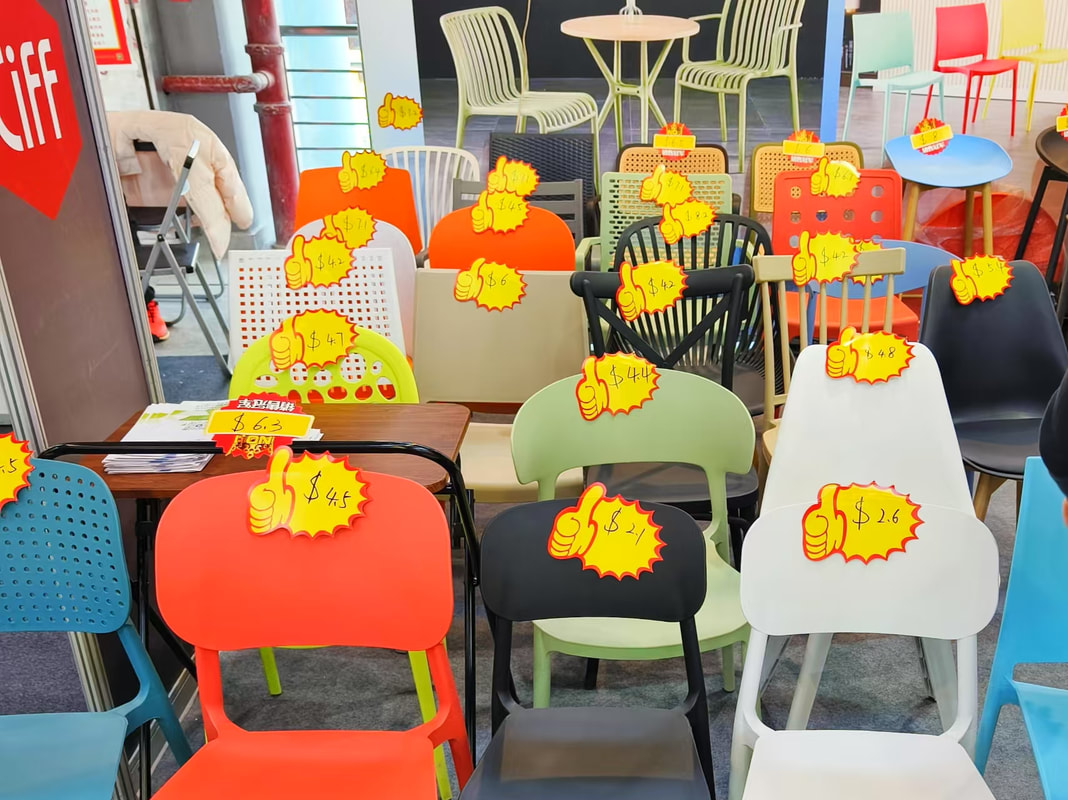
This guide explains why chasing the lowest price is dangerous, what hidden compromises lurk behind rock-bottom quotes, and how to identify genuine value in furniture imports.
The illusion of the bargain basement quote
Rock-bottom prices in the furniture industry rarely mean innovation or efficiency. They usually mean corners cut.
Where cheap suppliers make compromises
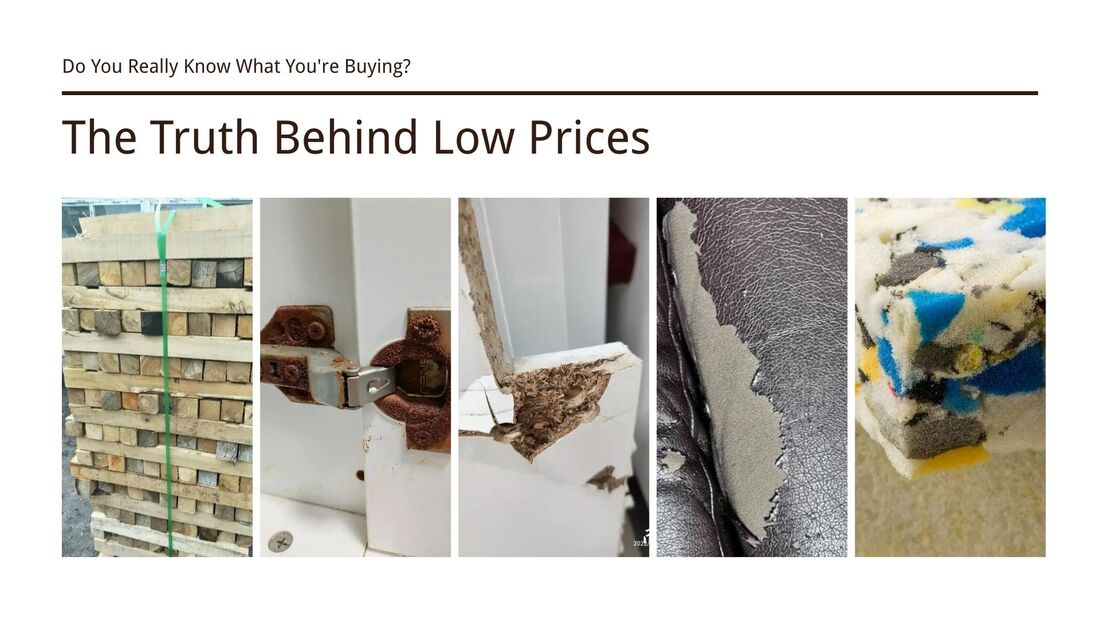
Inferior materials
- Low-grade timber that's not properly kiln-dried warps, cracks, and attracts pests
- Particleboard with high formaldehyde emissions, poor edge banding, swelling and delamination
- Low-density foam (under 20kg/m³) that flattens within months instead of providing support
- Thin fabrics prone to pilling, fading, and tearing
- Recycled or undisclosed materials that fail health and safety standards
Substandard construction
- Weak joinery—relying on staples and glue instead of proper mortise-and-tenon or dowel connections
- Frames that wobble or fail under normal use
- Loose stitching that splits after a few months
- Poor welds on metal furniture that create structural failure points
Questionable shortcuts
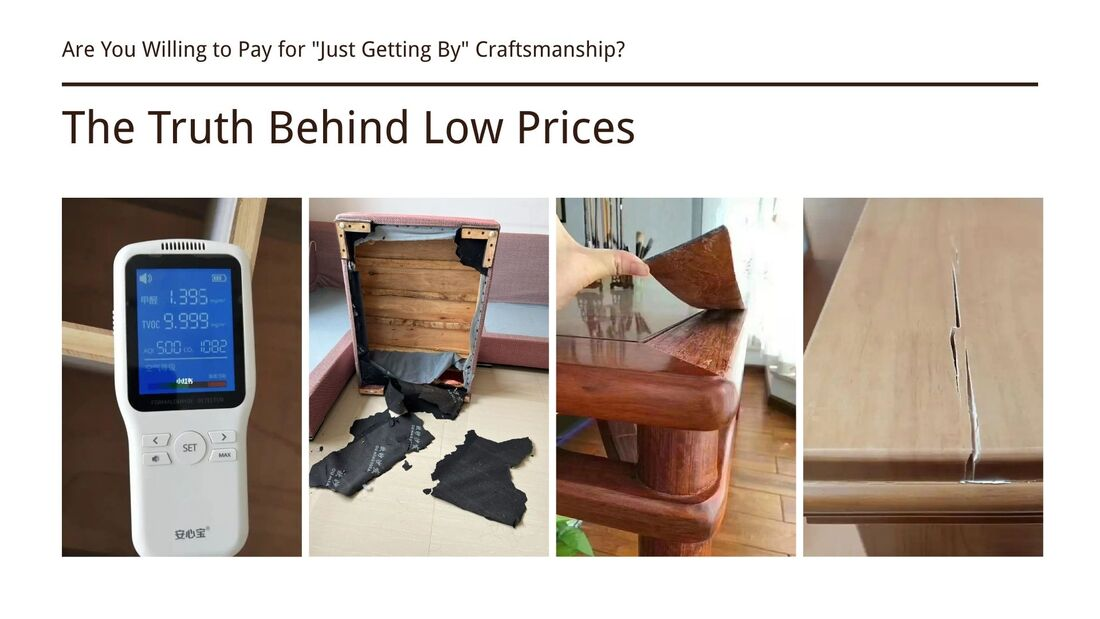
- Thin, uneven, easily scratched finishes that show drips and runs
- Sticky drawers and wobbly legs that never quite work properly
- Rough edges and visible gaps where components don't align
- Lack of safety certifications (fire-rated fabrics, lead-free paint, structural testing)
Hidden contractual tricks
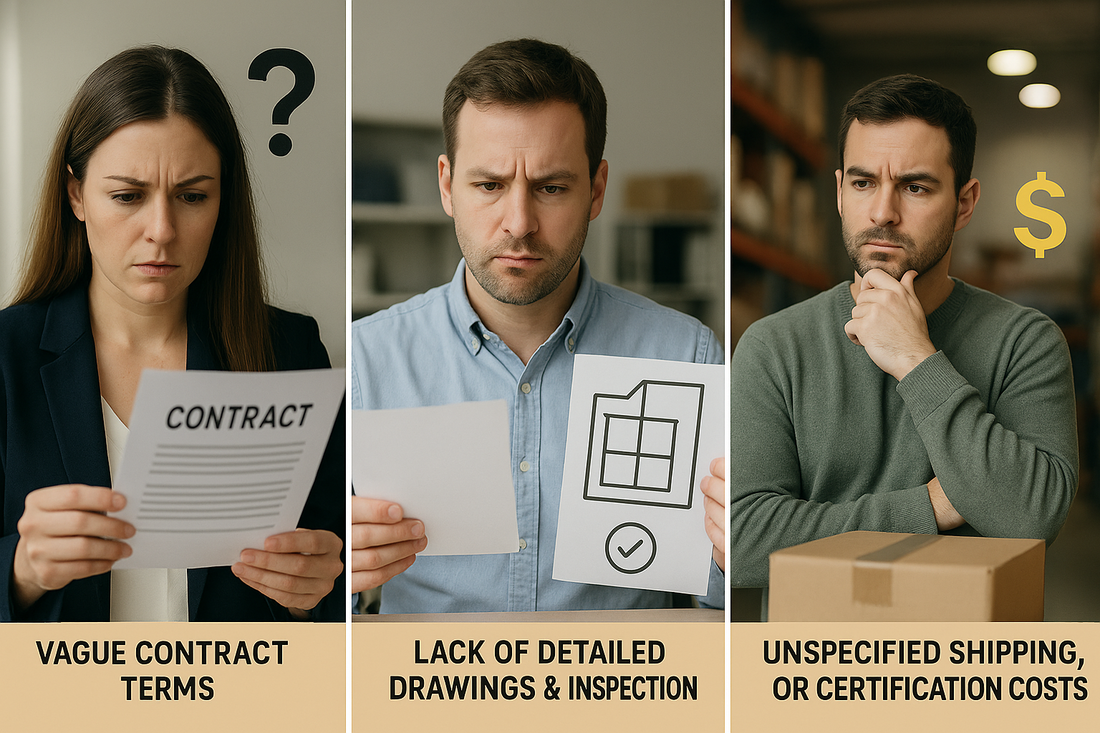
- Vague specifications so the supplier can deviate without recourse
- Missing material certifications or compliance documentation
- No pre-shipment inspection protocol
- "Surprise" fees added at the last minute (special packaging, testing, certification)
The true cost of cheap furniture
That $95 chair doesn't cost you $95. It costs you:
Direct replacement costs
- Chair fails within 2 years instead of 5
- You replace it at true market price ($200+) or take it offline
- Cost per year: $95 becomes $190+ per year vs $40 per year for quality
Indirect operational costs
- Guest complaints about uncomfortable seating (impacts reviews and return visits)
- Staff time dealing with broken furniture, repairs, adjustments
- Aesthetic issues—mismatched repairs, faded fabrics, worn finishes
- Potential safety liability if furniture fails under a guest
Reputational risk
- A high-end restaurant with visibly worn chairs looks shabby
- Hospitality reviews often mention uncomfortable seating
- Your brand suffers alongside your furniture
Logistics complications
- Returns and replacements require re-shipping (expensive for furniture)
- Gaps in inventory if pieces fail before replacements arrive
- Potential customs disputes if goods don't meet specifications
Real example: An Australian café group ordered 40 chairs at $120 each from a budget supplier. After 18 months, foam in 12 chairs was visibly compressed. Replacement cost: $240 per chair + shipping + logistics = $3,200 to replace 12 chairs. If they'd invested $60 more per chair upfront ($7,200 total), they'd have had quality furniture lasting 5+ years. The "savings" of $2,400 became a $3,200 cost by year 2.
What "value" actually means
Real value isn't the lowest price—it's the best return on your investment.
The value equation
Value = (Durability + Functionality + Aesthetics + Safety + Supplier Reliability) ÷ Total Cost
A $200 chair that lasts 5 years and requires no repairs has far better value than a $95 chair that fails in 2 years and needs replacement.
Measuring durability
Ask suppliers:
- What timber species, grade, and moisture content?
- What's the foam density (higher = longer-lasting)?
- What's the fabric rub count (for commercial use, aim for 15,000+)?
- What joinery methods are used?
- What finishes and coatings?
- What's the warranty period?
Measuring functionality
Does the furniture actually do what you need?
- Are drawers smooth and reliable?
- Do table legs wobble or are they stable?
- Is the cushion support maintained after 6 months?
- Are mechanisms (if applicable) smooth and quiet?
Measuring aesthetics
Will it still look good in 2 years?
- Scratch resistance of finishes
- Colour-fastness of fabrics
- Wear patterns (does it show stains and dirt easily?)
- Edge treatment and alignment
Measuring safety and compliance
Does it meet Australian standards?
- Fire-safety certifications (AS 1530)
- Non-toxic materials (low VOC, no lead)
- Structural stability testing
- Environmental certifications (low-formaldehyde particleboard)
Measuring supplier reliability
Can you trust them?
- Do they provide detailed specifications and certifications?
- Do they offer sampling before full production?
- Do they have pre-shipment QC protocols?
- Can they provide Australian references?
- Are they transparent about timelines and costs?
- Do they stand behind their products?
Red flags that signal cheap compromises
When evaluating quotes and suppliers, watch for:
Vague material specs
- "Premium leather" instead of specific grades
- "Good quality wood" instead of species and grade
- "Commercial-grade fabric" without rub count data
No samples offered
- "We'll go straight to production"
- "No time for samples"
- "Our standard quality is already approved"
This is the biggest red flag. Quality suppliers know you'll want to approve samples.
Missing certifications
- No mention of fire-safety testing
- No environmental certifications (E0/E1 for particleboard)
- No structural testing for weight capacity
Unwillingness to detail construction
- Can't explain joinery methods
- Won't commit to specific foam types or densities
- Vague about edge banding or finishing processes
Pressure to pay upfront
- Full payment before production
- No payment milestone tied to sample approval or inspection
Unclear timelines and QC
- "Production will take as long as it takes"
- No mention of inspection or testing
- No photo/video documentation of finished goods
References from other Australian clients
- If they can't provide any, ask why
How to evaluate suppliers objectively
Create a value scorecard
| Factor | Weight | Budget Supplier | Mid-Range Supplier | Premium Supplier |
|---|---|---|---|---|
| Material transparency | 20% | Vague | Detailed | Certified |
| Sample availability | 15% | No | Yes | Yes + 3D rendering |
| QC documentation | 15% | None | Basic photos | Video + third-party |
| Compliance & certifications | 15% | None | Partial | Full + audited |
| Australian references | 10% | 0 | 1–2 | 3+ |
| Warranty/support | 10% | None | 1 year | 2–3 years |
| Price per unit | 15% | $95 | $150 | $200 |
| Total value score | 100% | 3/10 | 7/10 | 9/10 |
Budget supplier looks good on price alone. But on value, it's a poor investment.
Request this information
Before placing an order:
- Detailed bill of materials (exact timber types, foam densities, fabric specifications)
- Construction method documentation (joinery, assembly, finishing process)
- Relevant certifications (fire safety, environmental, structural testing)
- Sample availability and timeline
- Pre-shipment QC process (photos, video, third-party inspection)
- Warranty terms and dispute resolution process
- References from Australian clients in your industry
If a supplier won't provide this, walk away. A quality supplier expects these questions.
Quality inspection checklist for samples
When samples arrive, check:
Upholstered furniture:
- Frame: Sturdy, no wobble, proper joinery visible
- Cushions: Firm support, no compression, consistent thickness
- Stitching: Tight, even, no loose threads
- Fabric: Consistent weave, no pilling, no stains
Solid wood:
- Finish: Smooth, even, no drips or runs, consistent colour
- Joinery: Tight joints, no gaps
- Edges: Smooth sanded, no splinters
- Wood: No warping, consistent grain, minimal knots
Metal furniture:
- Welds: Smooth, complete, no gaps
- Coating: Even, no drips, good adhesion
- Rust resistance: No signs of corrosion on cut edges
Hardware:
- Hinges: Smooth operation, no rust
- Drawers: Smooth glide, no sticking
- Connectors: Tight, no movement or rattle
If the sample fails these checks, reject it. Don't approve mass production.
The real cost comparison
Let's compare actual landed costs over 5 years:
| Metric | Budget ($95) | Quality ($200) |
|---|---|---|
| Unit cost | $95 | $200 |
| Freight & duty | $15 | $15 |
| Landed cost | $110 | $215 |
| Lifespan | 2 years | 5 years |
| Replacements needed | 2.5 sets | None |
| Total 5-year cost | $275 | $215 |
| Cost per year | $55 | $43 |
| Quality issues | Frequent | Rare |
| Guest satisfaction | Negative | Positive |
Quality furniture costs less per year over its lifecycle.
How Spotyard helps with value-driven imports
We've worked with hospitality groups, retail chains, and interior designers across Australia. We help ensure imported furniture isn't just cheap—it's genuinely valuable.
Quality control support:
- We work with approved suppliers known for quality
- We can arrange third-party inspections before shipment
- We manage documentation and compliance checks
Logistics coordination:
- Proper shipping prevents damage in transit
- We handle customs to ensure goods meet Australian standards
- We coordinate delivery so furniture arrives on schedule
Risk management:
- We ensure clear specifications are documented
- We verify material certifications before production
- We arrange samples for approval before mass production
Timeline management:
- We build in realistic timelines for quality inspections
- We prevent rushed production that cuts corners
Request a quote for your furniture import project, or explore our import services to learn more about managing value-driven sourcing.
Checklist: Before approving production
- [ ] Detailed bill of materials provided (all specific material types and grades)
- [ ] Sample approved and signed off (in writing)
- [ ] All certifications confirmed (fire safety, environmental, structural)
- [ ] Australian references verified (at least 2 from similar industry)
- [ ] Pre-shipment QC process documented (photos/video protocol)
- [ ] Contract clearly states specifications and quality standards
- [ ] Payment terms tied to milestones (sample approval, inspection, delivery)
- [ ] Warranty and dispute resolution terms agreed
- [ ] Freight and logistics plan finalised
- [ ] Timeline documented with buffer for inspections and delays
Final word
The cheapest quote rarely delivers the best value. It often delivers disappointment, replacement costs, and damage to your brand.
Quality furniture from China is absolutely real and absolutely valuable. But finding it requires looking beyond price to material transparency, construction methods, compliance, supplier reliability, and durability.
A $200 chair that lasts 5 years beats a $95 chair that fails in 2 years. The investment pays dividends in guest satisfaction, reduced operational headaches, and brand reputation.
If you're sourcing furniture from China for an Australian hospitality venue, retail fit-out, or corporate project, partner with suppliers—and logistics providers—who prioritise value over just undercutting on price.