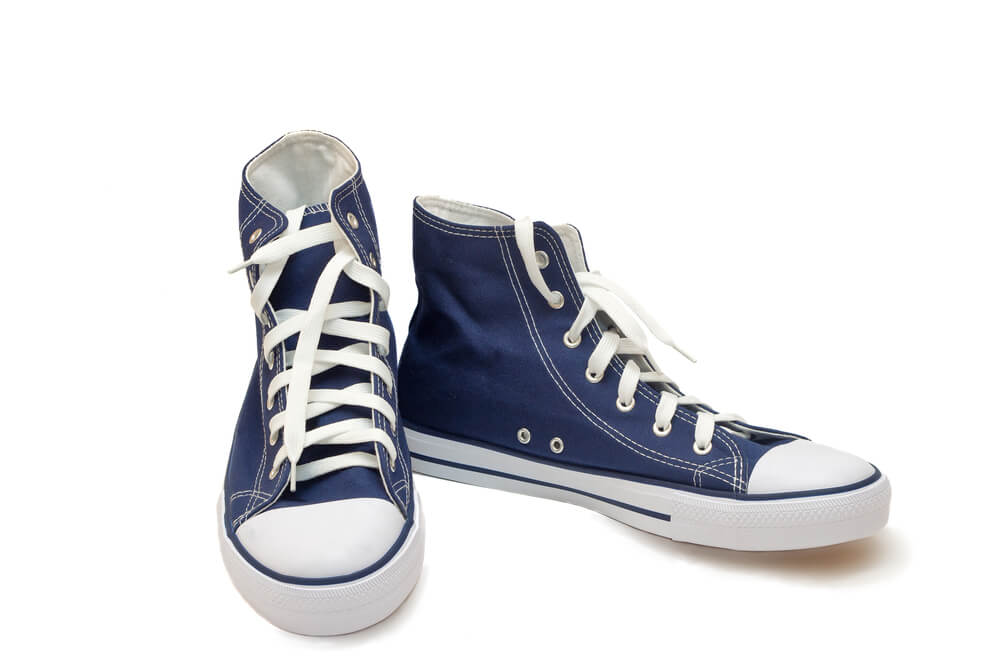
Australia's footwear market is vibrant and competitive. Whether you're a retailer, boutique, or brand owner, importing footwear from overseas manufacturers can significantly expand your product range and improve your margins. But the process is more complex than simply ordering from a factory and waiting for delivery.
Australian customs, labelling regulations, and quality assurance requirements mean that importing footwear demands meticulous attention to detail at every stage. This guide explains what's involved, what can go wrong, and how to import effectively.
Why import footwear to Australia?
Australian retailers and brands import footwear for several compelling reasons:
Access to global manufacturing
- Cost advantages from overseas manufacturers, particularly in South-East Asia
- Specialised factories with expertise in specific footwear types (sports shoes, work boots, designer sandals)
- Economies of scale when ordering in bulk
Niche product development
- Source unique styles and materials not readily available locally
- Build your own brand with exclusive designs
- Differentiate your retail offering from mass-market competitors
Seasonal advantage
- Import summer sandals before the season (February–March delivery needed for September launch)
- Import winter boots before cooler months
- Time your inventory to match market demand peaks
Margin improvement
- Buying directly from manufacturers versus wholesale distributors
- Bulk purchasing power reduces per-unit costs
- Premium price positioning for imported, exclusive styles
Types of footwear commonly imported
Australian importers bring in three primary footwear categories:
Shoes
Casual shoes, dress shoes, sneakers, and fashion footwear are among the most commonly imported. Shoes are essential to any retail footwear offering and customers frequently seek specific styles or brands not available locally.
Import considerations:
- Material quality (leather grades, synthetic materials, cushioning)
- Size consistency and fitting
- Brand reputation and exclusivity
- Seasonal relevance (lightweight summer styles vs. heavier winter options)
Boots
Work boots, outdoor/hiking boots, fashion boots, and protective footwear are in constant demand across Australia. Work boots are particularly popular in mining, construction, and agriculture sectors.
Import considerations:
- Safety certifications (AS standards for work boots)
- Durability and craftsmanship (critical for work use)
- Bulk ordering economics (boots are cost-effective in volume)
- Weather-appropriate specifications (cold-weather lining, waterproofing)
Sandals
Lightweight summer footwear, casual sandals, and thongs (flip-flops) are seasonal imports with tight timing requirements.
Import considerations:
- Arrival timing (must arrive months before summer season, ideally February–March)
- Material durability in heat and chlorine (pool/beach use)
- Batch consistency (colour, sizing, fit)
- Advertising and marketing coordination (publication deadlines before season launch)
Australian labelling and compliance requirements
Importing footwear into Australia isn't simply a logistics exercise—it's a regulatory one. Australia's stringent labelling requirements exist to protect consumers and ensure fair trade practices.
What must be labelled
Every pair of imported footwear must include:
Country of origin
- Must clearly state the country of manufacture (e.g., "Made in Vietnam")
- Must be visible on the shoe, label, or packaging
Material composition
- Primary materials must be declared (e.g., "Leather upper, rubber sole")
- Percentage composition may be required depending on material type
- Synthetic materials must be correctly identified (not misrepresented as leather)
Sizing information
- Size labelling must match Australian sizing standards
- Conversions clearly marked if sourced in other systems (US, EU, China)
- Consistent sizing across the batch
Safety and care information
- Care instructions (washing, water-resistance claims)
- Any safety warnings or restrictions
- Durability claims must be substantiated
Importer details
- Name and address of the Australian importer (customs broker or distributor)
- Contact information for complaints or returns
Common compliance mistakes
Mislabelled materials
- Synthetic uppers labelled as "leather" or "genuine leather"
- Misleading material percentages
- Vague descriptions like "premium materials" without specifics
Inconsistent sizing
- Size markings that don't match Australian standards
- Batch variations where sizes run small or large
- No sizing guidance provided
Missing origin statements
- Failing to clearly state country of manufacture
- Ambiguous statements like "internationally manufactured"
Incomplete care instructions
- No washing or maintenance information
- Missing water-resistance claims or limitations
- No durability warranties
Customs and border protection officers will inspect shipments and reject non-compliant goods. This creates delays, costs, and potential penalties.
Quality assurance programs for imported footwear
Effective footwear importers implement rigorous quality assurance at multiple stages:
Source inspection
- Audit the manufacturer's facilities and processes
- Verify material suppliers and material certifications
- Review production standards and quality control procedures
- Request samples and approvals before full production
Pre-production sampling
- Order sample pairs before committing to full batch
- Test fit, comfort, durability, and material quality
- Approve final specifications in writing
- Verify labelling and compliance on samples
In-production monitoring
- Arrange factory visits or third-party inspections during production
- Monitor material sourcing and manufacturing stages
- Conduct mid-production quality checks
- Document production with photos and video
Pre-shipment inspection
- Inspect a percentage of finished goods before shipment (typically 5–10%)
- Verify labelling accuracy and completeness
- Check packaging and load quality
- Confirm sizing consistency across the batch
- Request inspection certificates from third-party QA providers
Post-arrival inspection
- Verify goods against purchase orders and invoices
- Spot-check fit, comfort, and material quality
- Inspect for shipping damage
- Verify labelling one final time before distribution
Logistics and timing considerations
Footwear imports require careful timeline management, particularly for seasonal products.
Seasonal positioning
Summer sandals and thongs
- Target market need: September–February (Australian summer)
- Required arrival: February–March (before major retail marketing pushes)
- Lead time from manufacturer: 8–12 weeks
- Planning deadline: August (6 months before retail season)
Winter boots
- Target market need: April–August (Australian autumn/winter)
- Required arrival: June–July for peak retail season
- Lead time from manufacturer: 10–14 weeks
- Planning deadline: January–February
Year-round shoes and casual footwear
- Less seasonal pressure but still benefit from arrival planning
- Plan for specific style seasons (summer lightweight, winter heavier)
- Build inventory buffers for slow-moving styles
Supply chain steps
- Design, approval, and sample ordering (4–6 weeks)
- Finalise designs and specifications
- Request and approve samples
- Confirm labelling and compliance details
- Production (8–14 weeks depending on batch size)
- Manufacturer produces full order
- Quality inspections occur during production
- Arrange third-party factory audits if using new supplier
- Pre-shipment inspection and logistics (1–2 weeks)
- Final inspection of finished goods
- Arrange shipping (air or sea freight)
- Prepare customs documentation
- Shipping (1–6 weeks depending on method)
- Air freight: 1–2 weeks (expensive, for urgent orders)
- Sea freight: 4–6 weeks (economical for large batches)
- Customs clearance (1–3 days to 2 weeks)
- Customs broker files declaration
- Goods inspected if selected
- Duty and GST calculated and collected
- Goods released for delivery
- Delivery to your premises (1–5 days)
- Transport arranged from port to final destination
- Final quality check upon receipt
Critical tip: Build in buffer time. Delays at any stage (factory, shipping, customs) will impact your retail launch. A 2-week delay in summer sandal arrival means lost sales during peak season.
Customs broker and compliance expertise
For most importers, engaging a customs broker is essential. Why?
Regulatory knowledge
- Brokers understand Australia's labelling requirements and can advise before production
- They stay current with regulatory changes and updates
- They prevent costly compliance mistakes that trigger customs rejection
Pre-arrival assessment
- Brokers file declarations before goods arrive, speeding customs clearance
- They identify potential compliance issues early
- They arrange inspections proactively rather than reactively
Tariff and duty minimisation
- Brokers understand tariff classifications and can minimise import duty
- They identify eligibility for duty concessions in some cases
- They calculate accurate GST and duty estimates
Problem resolution
- If goods are rejected or delayed, brokers negotiate with customs
- They arrange re-labelling or rework if compliance issues are found
- They manage appeals if classification disputes occur
Working with a customs broker early—even before placing orders with manufacturers—helps ensure your entire import plan is compliant from day one.
Common risks and how to avoid them
Risk: Sizing inconsistencies
Impact: Customers complain about fit, triggering returns and negative reviews.
Prevention:
- Request sizing consistency guarantees from the manufacturer
- Conduct detailed sizing checks in pre-production samples
- Arrange spot checks of 5–10% of finished inventory
- Document all approved sizing specifications in writing
Risk: Material substitution
Impact: Advertised leather turns out to be polyurethane; customers discover misrepresentation.
Prevention:
- Specify exact materials in specifications (e.g., "genuine full-grain leather upper")
- Conduct supplier audits to verify material sourcing
- Request material certifications from suppliers
- Arrange in-production inspections to verify materials used
Risk: Labelling defects
Impact: Customs rejects entire shipment; goods must be re-labelled or returned.
Prevention:
- Provide detailed labelling specifications (font size, exact wording, placement)
- Approve label samples before full production
- Arrange labelling verification in pre-shipment inspection
- Work with a customs broker to confirm compliance before shipment
Risk: Late arrival
Impact: Seasonal inventory misses market window; goods become obsolete.
Prevention:
- Plan timelines with 2–3 week buffer for delays
- Use air freight for critical seasonal orders (even if more expensive)
- Start production early, especially for summer/winter seasonal goods
- Arrange real-time shipment tracking and regular communication with logistics provider
Risk: Shipping damage
Impact: Goods arrive scuffed, torn, or waterlogged; product quality compromised.
Prevention:
- Specify protective packaging and load quality standards
- Arrange insurance for full shipment value
- Conduct arrival inspections for damage before final acceptance
- Photograph goods upon arrival for insurance claims if needed
How Spotyard supports footwear imports
Importing footwear to Australia involves coordination across manufacturing, compliance, logistics, and customs—multiple moving parts that need precise timing.
Spotyard brings expertise in several critical areas:
Customs compliance and clearance
- We manage pre-arrival declarations to speed customs processing
- We ensure your labelling meets Australian regulations before production
- We handle tariff classification and duty calculation
- We resolve any compliance issues with customs
Logistics coordination
- We arrange both air and sea freight, selecting the right method for your timeline
- We manage shipping from factory to your Australian warehouse
- We track shipments in real time
- We coordinate with port operators for smooth clearance
Quality assurance support
- We can arrange third-party inspections during production
- We coordinate pre-shipment quality checks
- We verify documentation and compliance before goods leave the factory
Supplier vetting
- We assess manufacturer capabilities and reliability
- We arrange factory audits if working with new suppliers
- We verify material sourcing and manufacturing standards
Get a quote for your footwear import project or explore our import services to learn how we can streamline your footwear imports.
Checklist: Before placing a footwear order
- [ ] Product specifications finalised (style, material, sizing, colour)
- [ ] Manufacturing timeline confirmed with factory
- [ ] Sample pairs approved (fit, comfort, material, labelling)
- [ ] Labelling specifications provided and verified with broker
- [ ] Compliance requirements documented (country of origin, material composition, care instructions)
- [ ] Batch size confirmed and pricing locked in
- [ ] Material certificates obtained from supplier
- [ ] Production timeline documented with buffer for delays
- [ ] Quality inspection plan arranged (factory audits, pre-shipment checks)
- [ ] Shipping method selected (air vs. sea based on timing needs)
- [ ] Customs broker engaged and pre-arrival paperwork prepared
- [ ] Delivery address and receiving logistics planned
- [ ] Arrival timeline coordinated with marketing and retail launch
Final word
Importing footwear to Australia is achievable and economically attractive—but it requires following a disciplined process. Compliance isn't optional; timing is critical; and quality assurance must happen at every stage.
The most successful importers treat footwear imports as a coordinated project, not a one-time transaction. They plan seasons in advance, work with experienced manufacturers and customs brokers, and implement checks at every step.
If you're ready to expand your footwear range through imports, partner with a logistics provider who understands both the Australian regulatory landscape and the operational requirements of shipping from overseas factories.