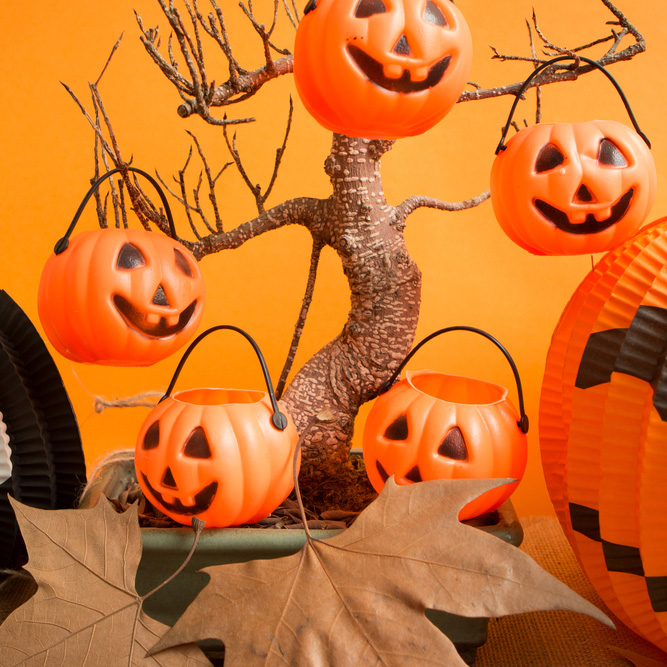
Halloween is Australia's fastest-growing seasonal holiday celebration. Retailers, event organisers, and party suppliers import tonnes of decorations annually—from inflatable yard displays and LED lights to plastic pumpkins and costume accessories.
But importing Halloween decorations involves navigating customs requirements, safety standards, quarantine rules, and critical timing windows. October is fixed; you can't delay the season. This guide explains how to successfully import Halloween decorations while meeting Australian regulatory requirements.
Why import Halloween decorations?
Australian retailers and event organisers import Halloween goods for clear business reasons:
Cost advantage
- Overseas manufacturing (China, Vietnam) costs 40–60% less than Australian suppliers
- Direct factory relationships eliminate middleman markups
- Bulk ordering economies of scale
- Competitive pricing for seasonal, low-margin products
Product variety
- Access to the latest designs and trending styles before Australian stock arrives
- Unique decorations unavailable from domestic suppliers
- Ability to differentiate retail offering from mass-market competitors
- Broader range from single source (decorations, costumes, props, lighting)
Inventory timing
- Plan inventory months ahead, coordinating with supplier production
- Arrive in Australia by August–September for October retail peak
- Control stock levels and avoid last-minute rush pricing
- Opportunity for first-mover advantage on trending styles
Volume availability
- Purchase in bulk for retail chains, event companies, hotels
- Consistent quality across large orders
- Single supplier for multiple venue needs
Types of Halloween decorations commonly imported
Plastic pumpkins
Plastic Halloween pumpkins are staple decorations—durable, reusable year after year, and more practical than real pumpkins.
Advantages:
- Won't rot, mould, or deteriorate like fresh pumpkins
- Easy to store and transport
- Can be customised with paint or lights
- Suitable for indoor and outdoor use
- Reusable for multiple seasons
Varieties:
- Small tabletop pumpkins (15–30cm)
- Large yard pumpkins (60–90cm+)
- Illuminated pumpkins (battery or electric)
- Decorative varieties (painted finishes, metallic)
Import considerations:
- Weight adds shipping cost (plastic pumpkins are heavy in bulk)
- Packaging must protect from crushing
- Electrical components (if included) must meet Australian safety standards
- Lead content testing (paint, dyes must be lead-free for consumer products)
Outdoor decorations
Outdoor Halloween decorations create eye-catching yard displays—inflatables, lights, animated figures, and lawn ornaments.
Common types:
- Inflatable decorations (ghosts, skeletons, witches)
- Stringed lights and pathway lights
- Solar-powered yard lights
- Hanging decorations (bats, witches, skeletons)
- Animated props (moving skeletons, fog machines)
Import considerations:
- Durability in Australian sun (UV protection, material quality)
- Water and weather resistance
- Electrical safety for outdoor use
- PVC and plastic material compliance
- Stability in wind (Australian wind speeds can be significant)
Indoor decorations
Indoor decorations create festive interior spaces—ranging from simple wall decorations to elaborate themed setups.
Common types:
- Fake spider webs and spiders
- Wall decals and window stickers
- Table centrepieces
- Garlands and streamers
- Hanging decorations
- Themed tableware
Import considerations:
- Material safety (particularly for products around food)
- Adhesive safety (removable without damage)
- Flammability standards for materials
- Toxicity testing for items near dining areas
Door decorations
Door-specific decorations make entryways festive and welcoming.
Common types:
- Wreaths (spider web, coloured, themed)
- Door hangers and signs
- Door-mounted lights and garlands
- Pumpkin arrangements
- Themed door covers
Import considerations:
- Weather resistance if on exterior doors
- Secure attachment methods (no damage to doorframes)
- Weight and structural support
- UV stability for outdoor doors
Window decorations
Window displays are high-visibility decoration opportunities.
Common types:
- Window decals and stickers
- Hanging paper decorations
- Window lights and illumination
- Silk or plastic trees and branches
- Silhouette figures
Import considerations:
- Adhesive or non-permanent attachment (removable)
- Visibility from inside and outside
- Weather resistance (if external application)
- Opacity/translucency requirements
Australian safety and compliance standards
Halloween decorations must meet multiple Australian safety standards before they can be sold legally.
Consumer product safety standards
General requirements:
- Products must be safe for intended use
- No sharp edges or toxic materials
- Appropriate warnings and age restrictions
- Clear instructions (if applicable)
Testing and certification:
- Lead and cadmium content testing (maximum limits for consumer products)
- Flammability testing (burning rate standards for fabrics)
- Phthalate content testing (plasticisers in PVC materials)
- Electrical safety (if battery or powered)
Products failing testing cannot be cleared by customs and must be destroyed or returned to sender.
Electrical safety (for powered decorations)
Decorations with electrical components must meet Australian electrical standards:
Standards:
- AS/NZS 3100 (Safety of low-voltage electrical equipment)
- AS/NZS 60065 (Audio, video, and similar electronic apparatus)
- RoHS Compliance (Restriction of Hazardous Substances)
Requirements:
- Electrical testing certificates from accredited labs
- Correct voltage/frequency for Australian power (230V, 50Hz)
- Safety switches and earthing where required
- Warning labels and instructions in English
Common failure points:
- Incorrect voltage for Australian power system
- Missing or incorrect earthing
- Inadequate insulation
- Flammable materials too close to heat-generating components
Flammability standards
Fabric and plastic decorations must meet flammability limits:
Standards:
- AS 1249 (Flammability of fabrics—vertical flame test)
- AS 1530 (Fire tests on building materials)
Assessment:
- Burn rate measured (how quickly material ignites and spreads flame)
- Time to ignition and burn-through measured
- Char length limits defined
Products exceeding limits are rejected at customs—particularly important for hanging decorations, garlands, and fabric elements close to lighting or heating.
Chemical safety (paints, dyes, adhesives)
Products with chemical components must meet safety limits:
Restrictions:
- Lead content: Maximum 90 ppm (parts per million) for paints and coatings
- Cadmium content: Prohibited in most applications
- Phthalates (plasticisers): Limited in products accessible to children
- Formaldehyde: Maximum limits for textiles and composite materials
Testing:
- Chemical composition testing required
- Certificates of compliance from supplier
- Third-party testing supported for verification
Non-compliance means rejection at customs—goods must be destroyed or returned.
Customs and quarantine requirements
Halloween decorations cross into Australia's strict quarantine and biosecurity framework.
Quarantine considerations
Timber content:
- Any timber components or packaging must meet ISPM-15 standards
- Heat-treated (HT) or fumigated (MB) only
- Certification stamps visible on all timber
- Wooden decorations, frames, or crating must comply
Agricultural materials:
- Dried plant materials prohibited (real straw, dry leaves, etc.)
- Feathers and animal materials restricted
- Natural fibres subject to inspection
- Synthetic alternatives accepted
Soil:
- Decorations with soil must be sealed and declared
- Soil is highest quarantine risk
Quarantine declarations
Supplier must declare all contents:
- Material composition (plastic, wood, metal, fabric)
- Presence of any agricultural or natural materials
- Electrical components and battery types
- Adhesives, dyes, paints, or coatings
- Country of origin and manufacturing
Inaccurate declarations cause holds and rejection.
Customs classification and duty
Halloween decorations are classified by material and function:
Typical classifications:
- Plastic decorations: 3916–3926 (variable based on type)
- Metal decorations: 7308–7326
- Fabric decorations: 5308–5911
- Electrical lighting: 8544–8548
Duty rates vary (typically 5–10%), but correct classification affects final cost.
Critical timing for Halloween imports
Halloween is October 31st—fixed, immovable, non-negotiable. Missing this date means obsolete inventory.
Retail timeline
August 1–31: Peak retail shelf-stocking period
- Stores display full Halloween ranges
- Consumer purchasing begins
- Inventory must be in-store and ready to sell
September 1–30: Secondary sales period
- Late shoppers and restocking orders
- Reduced shelf space as decorations are sold
- Price reductions on slower-moving items
October 1–31: Final sales period
- Last-minute shoppers
- Heavy discounting on remaining stock
- Clearance beginning for shelf space (Christmas approaching)
November onwards: Post-season (decorations obsolete)
- Returns and damaged goods destroyed
- Inventory write-offs
- Warehousing costs accumulate for unsold stock
Supply chain timeline
Working backwards from August retail peak:
August 1: Must be in-store and ready for sale July 1–31: Delivery to distributor/retailer warehouses June 15–30: Customs clearance and transport from port May 15–June 15: Shipping from overseas (sea freight 4–6 weeks) April 15–May 15: Production at factory March 15–April 15: Ordering, design approvals, tooling
Start ordering by March to ensure August delivery.
Documentation and customs clearance
Required documentation
Before shipment:
- Packing list — Detailed contents with quantities and model numbers
- Commercial invoice — Itemised costs, FOB or CIF pricing
- Bill of lading — Shipping documentation from freight forwarder
- Product safety certificates — Lead content, flammability, electrical testing
- Material certifications — Plastics, metals, textiles composition
- Quarantine declaration — All materials and contents declared
- Supplier information — Factory details, certifications, contact information
Clearance timeline
Assuming complete documentation:
Week 1: Goods shipped, pre-arrival notification filed Week 2–3: Goods arrive and customs examination Week 3–4: Clearance completed (2–3 weeks from arrival) Week 4: Goods available for delivery
Total: 4–6 weeks from shipment to delivery
Common delays
- Missing safety certificates: +1–2 weeks (goods held pending testing)
- Lead content testing required: +2–3 weeks (third-party lab testing)
- Quarantine issues (undeclared materials): +1–3 weeks (inspection, possible rejection)
- Electrical component issues: +1–2 weeks (safety assessment)
- Unclear tariff classification: +1 week (customs determines correct code)
Plan for 6–8 weeks minimum to be safe.
Cost breakdown for typical Halloween import
| Item | Cost |
|---|---|
| Halloween decorations (factory price) | $10,000–$30,000 |
| Sea freight (20-foot container) | $1,500–$3,000 |
| Customs brokerage and clearance | $500–$1,500 |
| Safety testing (if required) | $500–$2,000 |
| Transport to warehouse/stores | $800–$2,000 |
| Total landed cost | $13,000–$38,500 |
| Per-unit cost (for 10,000 units) | $1.30–$3.85 |
| Retail selling price (typical 150–200% markup) | $3.25–$9.62 |
Profitability example: 10,000 plastic pumpkins imported at $1.50 per unit, sold at $4.95 per unit, yields $34,500 gross revenue and ~$18,000 profit (assuming retail overhead).
How Spotyard supports Halloween decoration imports
Importing Halloween decorations requires coordinating suppliers, managing critical timing windows, navigating safety standards, and handling customs clearance. Each failure point costs time and money.
Spotyard brings expertise in several critical areas:
Customs brokerage and clearance
- Pre-arrival declarations to expedite customs processing
- Tariff classification and duty calculation
- Coordination with Australian Border Force for inspections
- Safety compliance verification and documentation
Safety and compliance verification
- Review of product safety certifications before shipment
- Identification of non-compliant products early
- Quarantine requirement assessment
- Chemical testing coordination if needed
Supplier coordination
- Pre-shipment documentation review
- Verification of declarations accuracy
- Problem resolution with suppliers before goods depart
- Quality and safety confirmation
Logistics coordination
- Sea freight arrangement and cost optimisation
- Port management and container handling
- Transport to your warehouse or retail stores
- Real-time tracking and status updates
Timeline management
- Realistic planning to hit August retail peak
- Coordination of all parties around fixed deadline
- Early identification of bottlenecks
- Monthly progress checkpoints and communication
Request a quote for your Halloween decoration import or explore our customs compliance services to ensure your decorations arrive on time and meet all Australian standards.
Frequently asked questions
Can I import Halloween decorations to Australia?
Yes, but with conditions. Halloween decorations are legal to import provided they:
- Meet Australian safety standards (lead content, flammability, electrical safety)
- Have complete custom documentation and declarations
- Comply with quarantine requirements (no prohibited materials)
- Are correctly classified and duties paid
- Have appropriate product labelling and warnings
Decorations failing safety testing are rejected and destroyed at your cost.
What Halloween decorations cannot be brought into Australia?
Prohibited items include:
Animal products:
- Real feathers (uncontrolled, risk animal disease)
- Real animal fur or hides
- Bone or horn components
- Preserved animal parts
Agricultural materials:
- Real straw or hay
- Dried plants or flowers (risk of pests/disease)
- Untreated wood or bark
- Natural hay or grass
Chemical hazards:
- Products with lead content exceeding limits
- Products with restricted phthalates
- Products with hazardous chemical content
- Unlabelled chemical components
Unsafe electrical:
- Electrical decorations without safety certification
- Non-earthed or improperly insulated components
- Incorrect voltage/frequency for Australian power
- Damaged or recalled products
Non-English labelling (may apply):
- Safety warnings must be in English
- Care instructions in English
- Age restrictions clearly marked
Quarantine risks:
- Timber with ISPM-15 certification missing
- Soil-contaminated items
- Uncontrolled wooden components
If your decorations fall into these categories, they will be rejected at customs.
What do you need to import Halloween decorations?
Essential requirements:
- Safety certifications — Product safety testing (lead, flammability, electrical if applicable)
- Material certifications — Composition of plastics, metals, fabrics
- Electrical safety (if powered) — Voltage, frequency, earthing, insulation compliance
- Quarantine declaration — All materials listed, quarantine risks identified
- Detailed packing list — Every item with model numbers and quantities
- Commercial invoice — Itemised costs
- Bill of lading — Shipping documentation
- Supplier information — Factory certifications and contact details
- Customs broker — To manage declarations and physical inspections
- Shipping arrangement — Sea freight booked with timeline to hit August retail peak
Without complete documentation, customs will hold goods pending clarification—costing 1–3 weeks and putting your October deadline at risk.
Checklist: Before importing Halloween decorations
Planning:
- [ ] Retail/distribution timeline confirmed (must be in-store by August 1)
- [ ] Supplier identified with quality and safety capability
- [ ] Product quantities and styles finalised
- [ ] Budget approved (including duty, testing, logistics, brokerage)
Supplier verification:
- [ ] Manufacturer can deliver by June 1
- [ ] Factory has safety testing capability or access
- [ ] References confirmed (other Australian importers)
- [ ] Quality control procedures documented
Product approval:
- [ ] Sample decorations approved for quality and design
- [ ] Safety testing completed on samples (lead, flammability, electrical)
- [ ] Material certifications obtained and reviewed
- [ ] Quarantine risks assessed and assessed as compliant
Documentation assembly:
- [ ] Safety certificates collected (lead, flammability, electrical, chemical)
- [ ] Material composition documentation
- [ ] Quarantine declaration prepared with supplier
- [ ] Packing list completed with all details
- [ ] Commercial invoice and shipping arranged
Customs preparation:
- [ ] Customs broker appointed and briefed
- [ ] Timeline and milestones confirmed with broker
- [ ] Pre-arrival notification prepared
- [ ] Duty and GST budget confirmed
Logistics:
- [ ] Shipping booked to arrive Australia by June 30
- [ ] Warehouse/storage space reserved for arrival and distribution
- [ ] Delivery to retailers coordinated with August shelf-stocking
- [ ] Buffer time built in for delays or customs holds
Final word
Halloween decoration imports are a high-volume, time-sensitive business. October 31st doesn't move, so your entire supply chain must work backwards from that fixed date. Success requires:
- Early planning — Start ordering by March for August retail
- Compliant suppliers — Safety testing and documentation from day one
- Complete documentation — No missing certificates or unclear declarations
- Expert customs brokerage — To handle inspections and clearance efficiently
- Timeline buffer — Assume 6–8 weeks minimum, not 4–5
The retailers and event organisers who get Halloween decorations in-store by August 1st capture the peak sales window. Those who miss it face steep discounts, unsold inventory, and warehouse costs eating into margin.
If you're importing Halloween decorations for Australian retailers or events, partner with a customs broker and logistics provider experienced in seasonal imports and Australian safety standards.